A Checklist for Planning a Slow Weekend in the Rural Countryside
A slow weekend rarely happens by accident. Two free days in the countryside can just as easily collapse into a rushed Friday drive, a disappointing rental, a frantic search for somewhere open on Saturday night, and a Sunday evening spent wondering why you feel more tired than you did on Thursday. The fix isn't a tighter schedule. It's a small amount of quiet planning beforehand — the kind that clears space instead of filling it. What follows is the checklist worth working through before you leave, and the decisions best left until you're actually there, with muddy boots and no particular place to be.
Choose the base before anything else
The base decides the weekend. A room above a village square gives you bread, a bar, a bench and the ability to walk everywhere. An isolated farmhouse gives you silence, stars and a sky with no orange glow in it, but it also demands a car and a kitchen stocked before dark. Be honest about which of those you actually need, rather than which one photographs better.
Arriving Friday night after work tilts the decision. Turning up to a remote house at nine in the evening, with no food in the cupboards and a mile of unlit track to navigate, is a poor beginning. Take the village, sleep, then drive out into the quiet the next morning.
Ask the questions the listing doesn't answer
Read past the adjectives. Check the check-in window, the state of the access road, the distance to the nearest shop that sells more than postcards, and whether there's a proper table and a kettle. Look at the satellite view; it tells you whether you're beside a field or beside a works yard. In shoulder season, ask about heating. Ask where the nearest pharmacy is — that detail matters more than any amount of exposed stonework. Send the host one specific question and pay attention to how they reply. The answer matters less than the tone.
Set one anchor per day
An anchor is a single reason to leave the house: a market that runs on Saturday morning, a walk to a hilltop chapel, a lunch that will take two hours because the kitchen is slow and nobody minds. Build the day around one anchor and let the rest fill in.
One anchor a day. Two is generous. Three is a schedule.
Keep the first evening empty. Unpack, walk to the nearest place serving food, eat simply, sleep. Keep one full day completely unbooked, too, and decide what to do with it over breakfast. This isn't laziness; it's the part of the trip you'll remember. It's also your rain plan: a long lunch, a village church, a small museum in the nearest town, a book and a window.
Plan activities that don't need a timetable
Rural areas reward the unhurried and punish the over-planned. A few things that work well, in almost any season:
- Markets, early. Go when the locals go, buy too much fruit, and leave by eleven as the stalls start packing up.
- Walks of five to eight kilometres on marked paths. Short enough to enjoy, long enough to feel like you did something. Take water and a map that works without signal.
- A small producer — cheese, olive oil, wine, honey. Message or call the day before rather than turning up at the gate. Many are working farms, not shops.
- A village festa, if one happens to fall that weekend. Go for an hour, eat what's being cooked, and don't worry about understanding everything.
- The parish church and the cemetery, which will teach you more about a place in twenty minutes than any information board.
- A long lunch with no plan afterwards except a slow walk back.
Check before you count on it
Rural opening hours are not urban opening hours. Many places close for the middle of the day, close on Mondays, or close for a fortnight without telling the internet. Confirm the one thing you most want to do, and have a second option in mind. A ten-minute phone call is cheaper than a wasted morning in the car.
Pack for grass, cobbles and cold evenings
Country weekends go wrong at the feet and at dusk. Bring:
- Shoes with tread, already broken in. Cobbles and wet grass are unforgiving to new soles.
- One layer warmer than you think you need, plus something waterproof.
- A torch or headlamp. Lanes between villages are genuinely dark.
- Cash in small notes — some rural cafés and most market stalls don't take cards.
- Offline maps and a paper map as backup. Signal drops exactly where you need it.
- A refillable water bottle and a cloth bag for shopping.
- Breakfast supplies: coffee, bread, salt, oil, something for a late arrival.
- Insect repellent, personal medication, a power bank, a book, a pack of cards.
Pack on Thursday evening, not Friday morning. The difference between those two habits is the difference between leaving on time and leaving in a bad mood.
Sort the practicalities that can't wait
Fuel the car before you head into the hills, not after the warning light appears. Book a table for Saturday night if you're travelling in high season, when a village with two restaurants fills up entirely. Tell someone at home where you're staying and roughly which walk you're doing. Note the local emergency number before you lose signal, and check the distance to the nearest hospital if anyone in the party has a health condition worth planning around; for anything medical, financial or legal, a quick word with a professional beforehand beats guesswork later.
Then stop. The remaining questions — which of the two villages is prettier, whether the bakery opens at seven or eight, where the good coffee is — are better answered on foot.
The checklist itself
- Book the base and confirm the check-in time in writing.
- Save the address and screenshot the final stretch of directions.
- Check opening hours for the one place you most want to see, and note its closing day.
- Reserve a table for Saturday night if the area is busy.
- Choose one anchor per day, no more.
- Pack on Thursday evening from the list above.
- Tell people you'll be slow to reply, and mean it.
- Leave the house tidy and the bins out before you go.
Leave room for the return
Plan the journey home so that you arrive with daylight to spare, and keep Sunday evening clear of anything that requires you to be interesting. Unpack the bag on Monday rather than leaving it by the door for a week. And judge the weekend by the right measure: not how much you saw, but whether you noticed anything — the sound of a gate in the wind, the smell of a chimney, a conversation with someone filling a water bottle at a fountain. That's the whole point of going slowly, and it's worth protecting with an hour of planning.
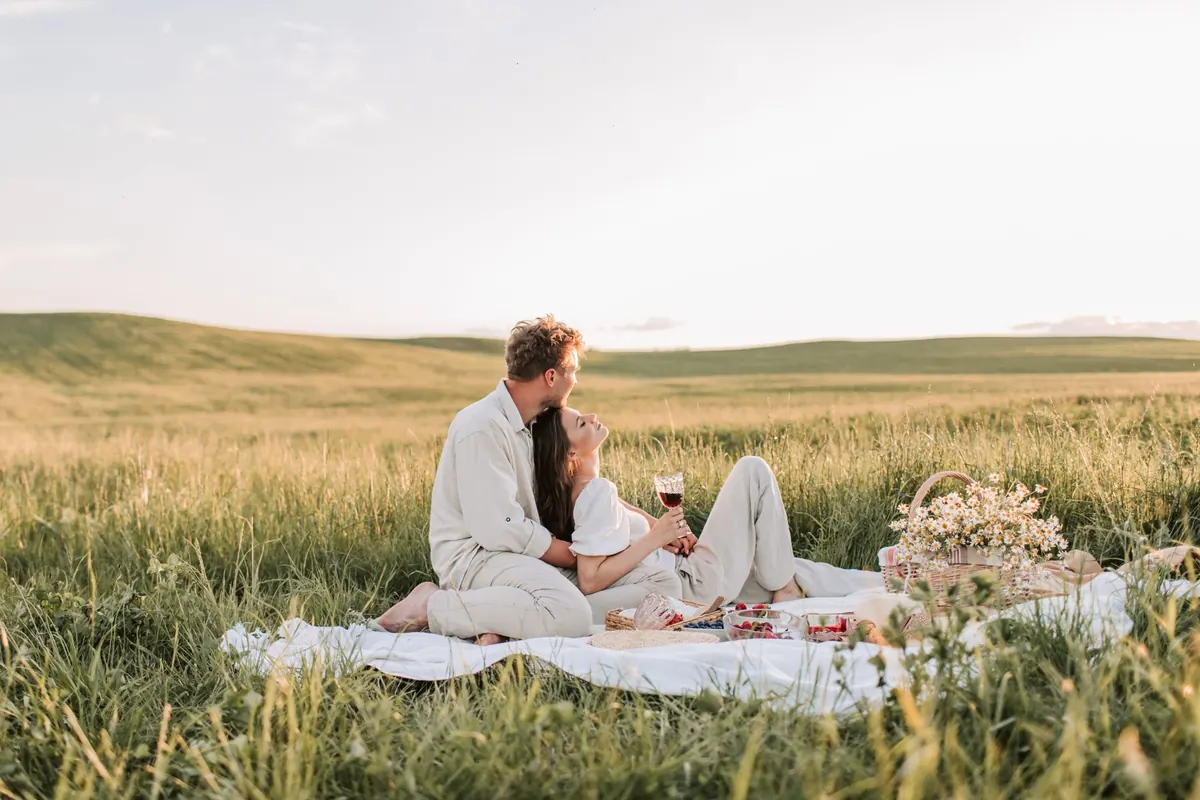
Photo: Vlada Karpovich / Pexels
How to Create a Pollinator-Friendly Wildflower Patch in a Country Garden
A practical guide to planning, preparing, sowing and tending a wildflower patch that feeds bees and...

Understanding Rural Waste and Recycling in Italy: A Practical Explainer
A practical guide to rural waste in Italy: how local collection works, what goes in each bin, using the...
About Us