Understanding Rural Waste and Recycling in Italy: A Practical Explainer
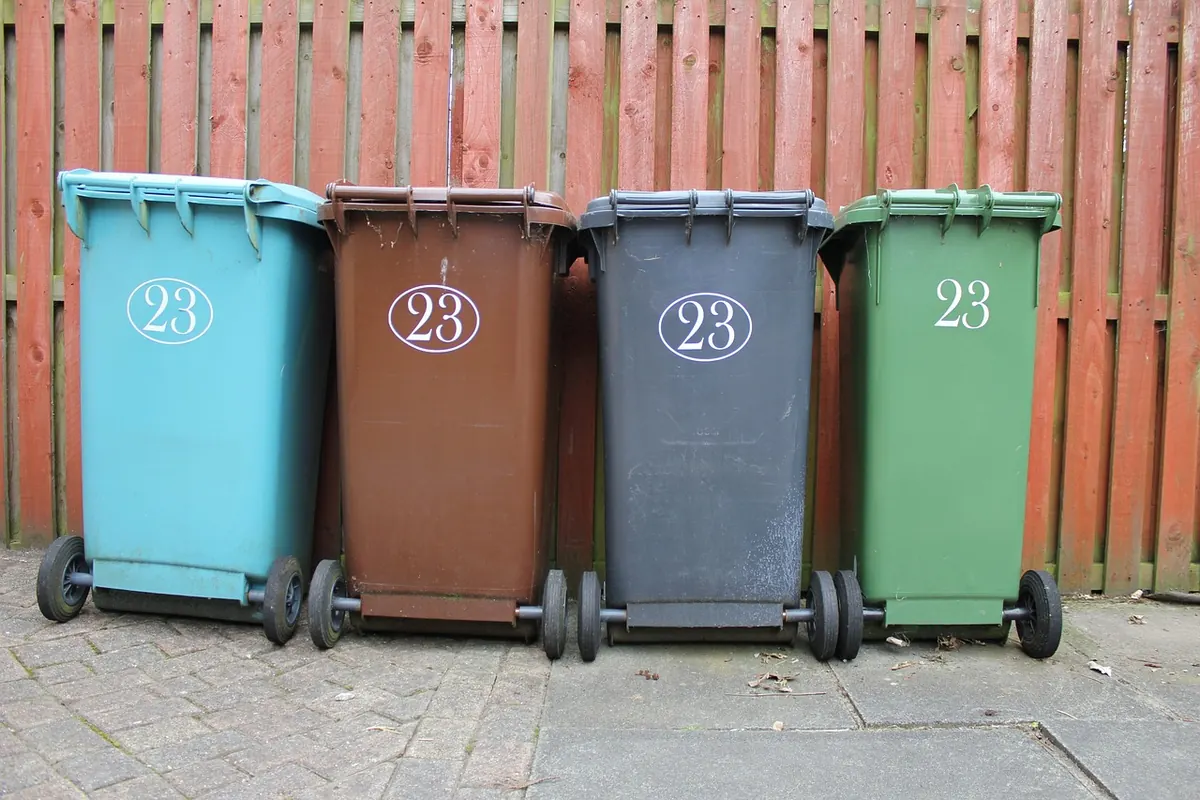
The first weeks in a country house usually bring the same small surprise: four or five bins lined up in the utility room, a laminated calendar stuck to the fridge, and neighbours who seem to know, without checking, that organic waste goes out on Tuesday and that the glass bell is two hundred metres up the road. Rural waste in Italy is not complicated once you understand the logic behind it. But it is intensely local. Two villages fifteen minutes apart can run completely different systems, with different bags, different days and different ideas about where a tetrapak belongs.
This is a guide to the parts that stay roughly the same, and to the habits that make the differences manageable.
Start With Your Comune, Not With Assumptions
Waste collection in Italy is organised at municipal level, usually by the Comune itself or by a consortium of Comuni. The household pays for it through the TARI, the local waste tax, which is calculated on the property and the people living in it. That means the authority for almost every question you will have is your own Comune's environment office, not a national rulebook.
So the first practical step on arriving is to get the eco-calendario — the collection calendar. It lists the days, the fractions, the bag colours and any local quirks. Collect a paper copy from the Comune office or the local sportello, take a photo of it, and ask whether your address is on doorstep collection or assigned to a shared collection point. If you are renting, ask the owner and the previous tenant; they will know which bin goes out when, and which neighbour will notice if it doesn't.
For anything to do with TARI billing, the Comune's tax office or a commercialista is the right place to ask. Rates, reductions and payment rules really do differ from one valley to the next.
The Everyday Fractions, and What Usually Goes Where
Most systems separate the same handful of streams. The list below is a typical pattern rather than a national standard, so treat it as a starting point and let your calendar overrule it.
- Organico / umido — food scraps, vegetable peelings, coffee grounds, teabags, eggshells, and often soiled paper napkins. Use certified compostable bags, not ordinary plastic ones. Small caddies work better than a large bin that sits for days.
- Carta e cartone — flattened boxes, newspapers, envelopes, clean paper bags. Greasy pizza boxes are a grey area: many Comuni send food-soiled paper to the organico, others refuse it entirely. Check before you guess.
- Plastica — packaging only, rinsed and crushed. A plastic toy, a garden bucket or a coat hanger is not packaging and usually belongs at the collection centre.
- Vetro e metallo — glass jars and bottles, tins and cans. Rinse them; labels can stay. Some areas collect glass separately from metal, others combine them.
- Secco residuo / indifferenziato — the genuine leftovers: nappies, some plastics, vacuum bags, broken ceramics. When something is truly unclear, this is usually the safer bin, but a quick look at the calendar is better than a habit of shrugging.
Tetrapak and other awkward items
Cartons for milk, juice and stock are handled differently depending on the plant your Comune uses — sometimes with paper, sometimes with plastics, sometimes at the collection centre. Batteries, light bulbs, medicines, used cooking oil and small electronics never go in the household bins. Keep a shoebox in the garage for them and take them in batches.
Collection Day When You Live Off the Main Road
Country addresses change the logistics more than the rules. A long gravel driveway, a hamlet of three houses, a house number that appears on no map — all of this matters on collection morning.
Find out exactly where your bins must be placed and by what time. In many rural areas they need to be at the edge of the property, visible from the road, out the night before or very early. Households at the end of a track often load bags into the car and drive them down. Keep a plastic crate or a boot liner in the car for that purpose; it saves a good deal of scrubbing later.
Bins, heat and animals
Summer is the real test. Keep the organico bin in shade, drain it, and empty the kitchen caddy every two or three days; in August, some households keep the caddy in the freezer until collection day. Secure lids properly, because a compost bin left open will interest foxes and, in many parts of rural Italy, wild boar. If you go away, ask a neighbour to put the bins out rather than leaving them at the gate for a fortnight.
And watch the neighbours for the first month. Not to copy blindly, but because they have already solved the local puzzles: which side of the road the truck approaches from, whether the glass bell is emptied on Saturdays, what happens on public holidays.
The Centro di Raccolta: How to Use It Well
Almost every Comune has a collection centre, sometimes called a centro di raccolta or isola ecologica. This is where garden cuttings, bulky furniture, mattresses, metal, tyres, paints, batteries, used oil and electrical goods go. Bring identification or your waste card if your Comune issues one, and expect to sort items into the right containers on site.
Two habits make the visit painless. First, check the opening hours before loading the car — many centres open mornings plus a couple of afternoons, and Saturday queues are long. Second, never leave bags outside a closed gate. It is treated as illegal dumping, even when the intention is good, and it creates real problems for the staff and for the site's neighbours.
Composting and Keeping Volume Down
If you have a garden, home composting is the single biggest improvement most rural households can make. A composter takes the organico out of the weekly routine, feeds the vegetable plot, and in many Comuni earns a reduction on the waste bill — worth asking about when you register.
The craft is simple: alternate green material (kitchen scraps, grass) with brown (dry leaves, cardboard, straw), keep it as damp as a wrung-out sponge, and turn it occasionally. Many households avoid meat, fish and dairy in an open heap, mainly to keep animals away. If you have a lot of prunings and grass, the collection centre is the realistic route; a small garden can only absorb so much.
Reducing volume helps everywhere else. Crush bottles, flatten cartons, rinse containers so they don't smell, and buy loose produce where you can. A fuller bin that weighs less and smells better is not a small victory in a hot July.
What Not to Burn, Bury or Tip
Country properties can tempt you towards shortcuts. Resist them. Burning household waste is not a disposal method, and open burning of garden waste is restricted and often banned outright in summer because of fire risk; regional and municipal ordinances govern it, so check before you light anything. Burying rubbish or tipping it into a ditch or a woodland edge carries penalties and, more immediately, makes you unpopular in a place where everyone knows whose gate the bag came from.
Practical Habits for the First Few Months
A short routine saves months of small confusions:
- Photograph the eco-calendario and tape a paper copy inside a kitchen cupboard.
- Set a phone reminder for the evening before each collection.
- Run two containers in the kitchen — caddy and everything else — so sorting happens once.
- Keep a box in the garage for batteries, bulbs, oil and small electronics, and take it to the centre monthly.
- Put the collection point's opening hours in the car, along with a spare pair of gloves.
- Ask one neighbour to be your reference for the odd question. They will be pleased to be asked.
Give it a season. By autumn, the calendar will be in your head, the route to the centro di raccolta will feel ordinary, and the bins will have stopped being a puzzle and become part of the rhythm of the house.
Photo: bluebudgie / Pixabay
How to Create a Pollinator-Friendly Wildflower Patch in a Country Garden
A practical guide to planning, preparing, sowing and tending a wildflower patch that feeds bees and...

A Checklist for Planning a Slow Weekend in the Rural Countryside
A practical checklist for a rural weekend that actually rests you: choosing the right base, packing...
About Us