The Beginner’s Guide to Preserving Tomatoes the Italian Way
By late August, the tomato table is piled high and the kitchen smells of stems and warm fruit. In Italian country kitchens, this is the week when sauce becomes a winter habit: jars of passata lined up on a cloth, whole peeled tomatoes tucked under basil, a pot of sauce reducing on the back burner. The work is simple, but it is not casual. A few habits—clean jars, added acid, a proper water bath—separate a shelf of good tomatoes from a shelf of regrets. This guide is for the first-time preserver who wants the traditional flavour without guessing at the safety.
Choose tomatoes that can carry the job
Start with meaty plum tomatoes: Roma, San Marzano types, or whatever your local market grows for sauce. They have less water and more flesh, so you are not simmering away a lake. Fruit should be ripe but firm, with no soft spots, cracks, or mould. A bruised tomato can go into tonight’s dinner; it should not go into a jar.
Set up before you start. You need jars made for canning, new lids, a wide pot for the water bath, a food mill or sieve, and a clean cloth. Wash jars in hot soapy water, rinse well, and keep them hot until filling. Check rims for chips; a damaged rim will not seal. Old commercial jars are not a safe substitute for proper canning jars.
- Plum tomatoes, ripe but firm
- Canning jars with no cracks or chips
- New two-piece lids
- Bottled lemon juice or citric acid
- A food mill, large pot, and water-bath canner
Three beginner-friendly methods
Passata
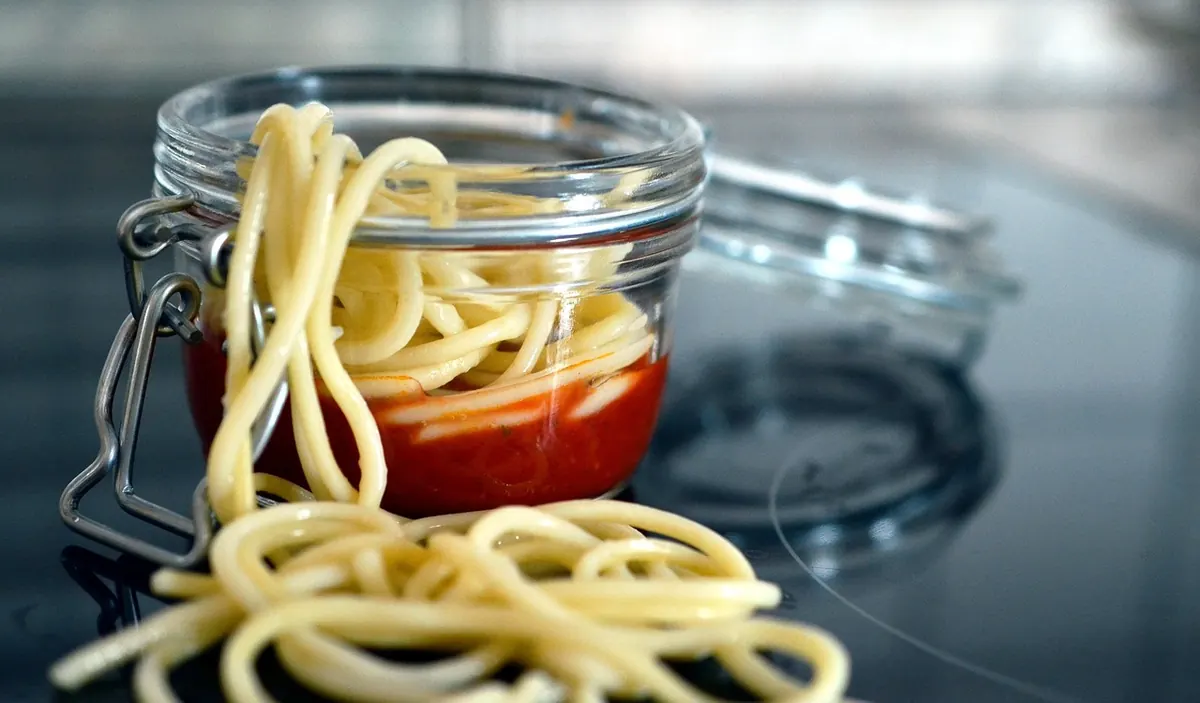
Blanch tomatoes in boiling water for 30 to 60 seconds, then move them to ice water. Slip off the skins, quarter them, and simmer for 10 to 15 minutes. Pass the lot through a food mill to remove seeds and fibres. Return the puree to the pot and cook until it coats a spoon without running. Add the acid to each jar before filling, as described below.
Pelati
These are whole peeled tomatoes, the ones you open for a quick pasta sauce. Peel as above, pack the tomatoes into hot jars with a basil leaf and a pinch of salt, then cover with hot tomato juice from the same batch. Leave the correct headspace, add acid, and process. Do not press the tomatoes down hard; you want them covered but not crushed.
Simple sauce
Cook peeled, chopped tomatoes with onion and garlic until thick, then add basil near the end. Keep the oil for serving, not for the jar; oil can complicate safe shelf storage. Add acid to each jar, fill, and process. If you want a richer sauce, reduce it further before jarring, but do not add thickeners such as flour or cornstarch unless your tested recipe includes them.
Acid is the quiet safety net
Tomatoes sit on the border between high-acid and low-acid foods, and modern varieties can be less acidic than the ones your grandmother grew. For water-bath canning, add acid directly to each jar: about 1 tablespoon of bottled lemon juice per pint, or 2 tablespoons per quart. Citric acid works too, usually ¼ teaspoon per pint or ½ teaspoon per quart. Use bottled lemon juice rather than fresh because its acidity is consistent.
Salt is for flavour, not safety. A pinch of salt or a basil leaf is traditional; a reduced amount of acid is not. If you are following a tested recipe that includes vinegar, use the type and amount stated. Do not swap in balsamic or homemade vinegar. And if you want to skip added acid entirely, freeze the tomatoes instead of storing them on a shelf.
If a jar looks, smells, or feels wrong, it is wrong. Do not taste it to check.
Jarring and processing, step by step
- Fill hot jars with hot tomato product, leaving about ½ inch of headspace.
- Add the acid first or stir it through the pot—just be sure every jar gets its share.
- Run a plastic spatula around the inside to release air bubbles.
- Wipe the rim with a clean, damp cloth. Any sauce on the rim can prevent a seal.
- Place the lid on and tighten the ring until it is fingertip-tight, not forced.
- Set jars in the water-bath canner, covered by 1 to 2 inches of water. Bring to a boil.
- Start timing when the water returns to a rolling boil. Use the time from a tested recipe—often in the 35 to 45 minute range at sea level for pint and quart jars—and adjust for altitude.
- Turn off the heat, wait a few minutes, then lift the jars onto a cloth. Leave them undisturbed for 12 to 24 hours.
The day after, and the months after
Press the centre of each lid. It should be concave and stay down when pressed. Remove the rings for storage, wipe the jars, and write the contents and date on the lid: “passata, 12 September, lemon.” Store in a cool, dark cupboard. Home-canned tomatoes are best within a year; after that, quality fades even if the seal holds. If a lid has not sealed, refrigerate that jar and use it within a few days, or freeze the contents.
When a jar looks wrong
Check every jar before opening. A bulging lid, a broken seal, spurting liquid, mould, cloudy brine, or an off smell means the jar should be discarded. Do not scoop off the top and use the rest. Do not taste a suspect jar. For food-preservation safety, follow a reputable guide or ask your local extension service or national food-safety authority; advice can vary by country and equipment. If you are preserving for someone with a compromised immune system, be especially cautious.
Start with one box, not a truckload
Buy a single box of tomatoes for your first batch. Make passata, process it, and see how the jars behave. Keep notes on the variety, cooking time, and acid you used. Next summer, you will know exactly how thick you like the sauce and how many jars fit your shelf. The Italian country way is not about doing everything at once; it is about doing a little, doing it well, and having tomatoes in January that taste like September.
Photo: congerdesign / Pixabay

How to Create a Pollinator-Friendly Wildflower Patch in a Country Garden
A practical guide to planning, preparing, sowing and tending a wildflower patch that feeds bees and...
Understanding Rural Waste and Recycling in Italy: A Practical Explainer
A practical guide to rural waste in Italy: how local collection works, what goes in each bin, using the...
About Us