Cooking with Seasonal Wild Greens: 5 Simple Italian Country Recipes
By early March the edges of the vegetable garden have given up on tidiness. Chicory pushes through the gravel, borage has colonised the compost heap, and the first nettles are already tall enough to sting an ankle. In the Italian countryside this is not a problem to be sprayed away. It is the beginning of the cooking year, the stretch before tomatoes when the most bitter, most aromatic and cheapest food of the season is growing a few steps from the door. What follows are five dishes cooked again and again between March and June, plus the habits that make wild greens safe and pleasant to work with.
Cleaning and Preparing Wild Greens
Wild greens arrive gritty, and often with a resident caterpillar or two. Cleaning them badly is the main reason people decide they don't like them. Work in small batches and give yourself more time than you think you need.
- Pick over. Spread the greens on a cloth and remove roots, damaged leaves, thick stems and anything yellowing. This is also the moment to check your identification one last time.
- Wash in plenty of cold water. Fill a basin or the sink, swish the leaves, lift them out and let the grit settle. Repeat two or three times, changing the water until it stays clear.
- Blanch what needs it. Nettles, chicory and older borage leaves benefit from 2 to 8 minutes in salted boiling water, depending on how tough and bitter they are. Taste as you go.
- Drain and squeeze. Cool under cold water, then press out the excess liquid in your hands or in a clean cloth. Squeezed greens keep in the fridge for two days, and freeze well in small portions.
A few rules in the field matter as much as the ones in the kitchen. Pick only greens you can identify with certainty — a local forager or an older neighbour is worth more than any book. Avoid road verges, sprayed field margins, and land you don't have permission to walk on. Never clear a patch; leave the roots and the flowering stems so the plant returns next year. And carry a basket, not a plastic bag, so the leaves don't sweat on the way home.
1. Cicoria Ripassata: Wild Chicory with Garlic and Chilli
This is the baseline dish, the one that teaches you how bitter greens behave. Young wild chicory, picked before the flower stem rises, is best.
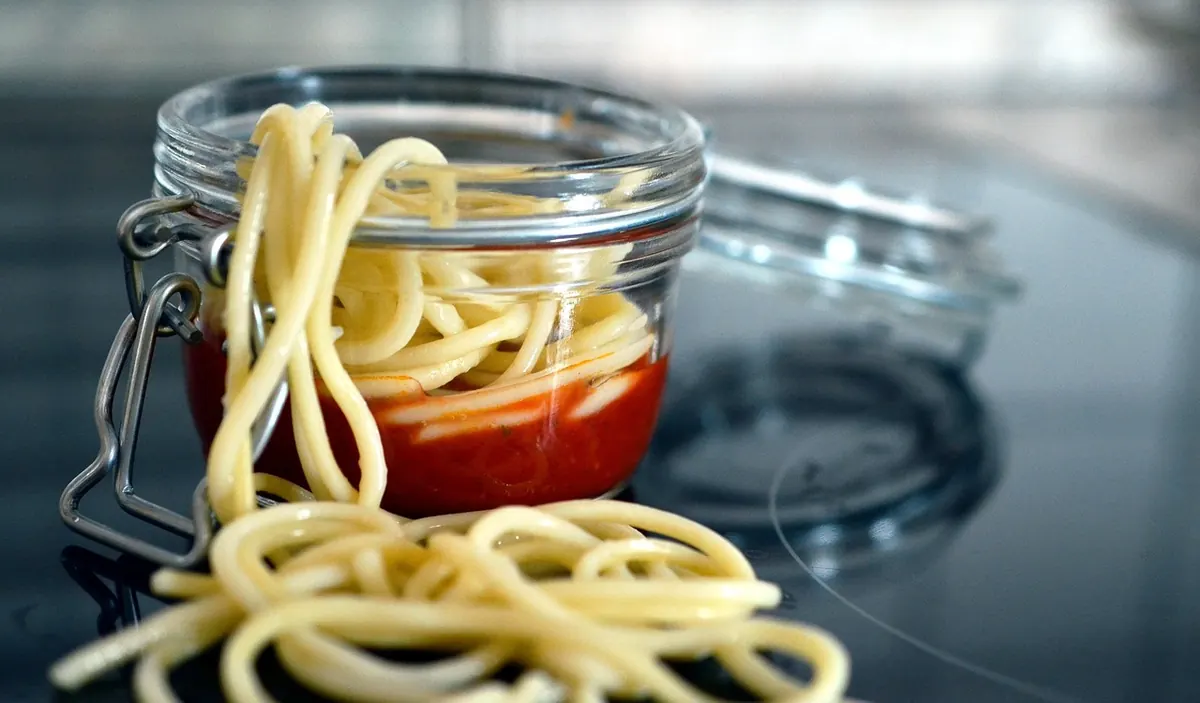
You need: about 800 g of cleaned chicory, olive oil, two cloves of garlic, a dried chilli, salt. Blanch the chicory in well-salted water for 5 to 6 minutes, drain, cool and squeeze it into rough handfuls. Warm three or four generous tablespoons of olive oil in a wide pan with the garlic and crumbled chilli, and let them perfume the oil without browning. Add the greens, a pinch of salt and a spoonful of water, and cook for 10 minutes, turning them now and then until the leaves are soft and glossy rather than watery. Serve warm, with white beans, or piled onto toasted country bread rubbed with garlic. If the bitterness is fierce, a little more oil and a few drops of vinegar will round it off.
2. Frittelle di Borragine: Borage Fritters
Borage is everywhere in rural Italy by April, and its blue flowers make even tired plates look festive. The leaves are hairy, so chop them finely and use the youngest ones.
You need: a good handful of borage leaves and flowers, 150 g of plain flour, 200 ml of cold water or milk, one egg, salt, and grated parmesan if you like. Whisk the flour, liquid and egg into a batter the texture of thick cream, season it, then fold in the chopped leaves and a few flowers. Heat a centimetre of olive oil in a small pan and drop in spoonfuls of batter, flattening them slightly. Fry for two minutes a side, until deep gold, and drain on paper. Eat them hot, with lemon and a glass of something cold and white; they go soft and heavy if you wait.
3. Nettle Frittata
Nettles need gloves and a little nerve, and then they reward you. The sting disappears the moment they hit boiling water.
Pick the top four leaves of young plants in spring. Rinse them wearing gloves, blanch for two minutes in salted water, drain, squeeze and chop. Beat six eggs with a handful of grated parmesan, salt and pepper, then stir in the nettles. Cook the frittata gently in olive oil over a low flame until the base sets, then finish it under the grill for two or three minutes, or flip it if you're braver than most of us. It is excellent cold the next day, tucked inside a sandwich.
4. Pasta with Wild Fennel
Wild fennel is a different plant from the bulb in the market: thin, feathery, and intensely scented of aniseed. Look for the soft tips, not the woody stalks.
You need: 400 g of long pasta, a large handful of fennel tips, two anchovy fillets, garlic, chilli, a fistful of breadcrumbs and a lemon. Toast the breadcrumbs slowly in a dry pan with a trickle of oil until they are golden and crisp. Blanch the fennel tips for 3 minutes, drain and chop. Warm oil with sliced garlic, the anchovies and chilli, stir until the anchovy melts, add the fennel and cook for 5 minutes. Meanwhile cook the pasta. Toss it into the pan with a splash of pasta water, then finish with the breadcrumbs, a little grated lemon zest and more oil. The crumbs are what make it; don't skip them.
5. Wild Asparagus with Eggs
Wild asparagus demands a slow walk along hedges and olive terraces, and it hides: a thin green line threaded through a thorn bush, easy to miss and hard to forget once you have found the first. Expect a modest handful from an hour's walk.
Snap off the woody ends, rinse the spears and cut the thicker ones in half. Sauté them in olive oil with a clove of garlic for 3 to 4 minutes — thin spears need less — until they sag and colour slightly. Push them to one side of the pan, pour in three or four beaten, seasoned eggs, and stir gently until just set. Served with bread, it makes a lunch out of nothing.
A Few Practical Notes
Bitterness is the trait that connects most of these greens, and it is best managed than fought: salt, fat and a touch of acid will all soften it, and a little sweetness — a few raisins in a chicory pan, a spoonful of honey in a dressing — does more than you would expect. Balance matters, though; if a dish tastes sharp and harsh, add oil rather than sugar.
Keep notes as you go. Which hedge yields asparagus first, when the chicory at the top of the lane is tender and when it turns woody: a small notebook of dates and places makes you a better cook of these plants than any recipe collection. Store greens unwashed in a cloth in the coolest part of the kitchen, and blanch and freeze the surplus in portions so a February risotto can taste of April. And if you have a health condition, are pregnant, or take regular medication, ask a qualified professional before making wild plants a habit — some, nettles included, are not neutral for everyone.
Photo: Oldiefan / Pixabay
How to Create a Pollinator-Friendly Wildflower Patch in a Country Garden
A practical guide to planning, preparing, sowing and tending a wildflower patch that feeds bees and...

Understanding Rural Waste and Recycling in Italy: A Practical Explainer
A practical guide to rural waste in Italy: how local collection works, what goes in each bin, using the...
About Us