A Seasonal Guide to Foraging in the Italian Countryside: Spring Through Autumn
Wild asparagus does not announce itself. It appears as a single thread of green in a bramble hedge, easy to miss unless you know the hedge — and then, once you have seen one, you will see twenty. That is how foraging works in the Italian countryside: a slow education in edges, verges and abandoned terraces, rewarded with a handful of something that tastes more like the place it grew than anything you can buy.
What follows is a seasonal map rather than a plant encyclopedia. It tells you roughly what to look for, when to head out, and how to pick so that the same hedge is still worth visiting next year.
Read the Ground, Not Just the Calendar
Dates on a calendar are a poor guide. A difference of a few hundred metres in altitude can set a species back a week or two, and a north-facing slope further still. The same dandelion you find in a sun-warmed ditch on the coast in February may only appear in an Apennine valley in April.
So learn to read the ground instead. South-facing stone terraces warm early and dry fast. Hedgerows along a field boundary hold moisture and shelter. Olive groves, old vineyards, ruined stone walls and the grassy strip between a country road and a ditch are all productive, but each behaves differently. Walk the same route every two weeks through the year and you will learn more than any book can teach you — including which spots are worth returning to and which have been sprayed, strimmed or built on.
Spring: The First Green
Spring begins quietly, with things you have to hunt for. Wild asparagus (Asparagus acutifolius) is the prize: thin spears pushing up through brambles and dry grass, best snapped off young and eaten within a day. Nettles come earlier and in greater quantity — take only the top four leaves of young plants, before they flower, and wear gloves despite your confidence.
Alongside them you will find borage with its blue, star-shaped flowers and faint cucumber taste, wild fennel fronds that smell of anise when crushed, poppy leaves, wild rocket, and the first tender dandelions. Later in the season, blackthorn hedges finish flowering and the elder bushes begin.
A few things worth knowing before you start filling a basket:
- Pick from the middle of a patch, not its edge, so the plants at the margins can seed and spread.
- Stay away from field edges beside busy roads and from anything that looks recently treated, dusted or strimmed.
- Young is not the same as small. A pale, limp leaf is not tender; it is tired.
Early Summer: Flowers and the First Fruit
This is the most generous stretch of the year, and the easiest to overdo. Elderflower (sambuco) is the signal: pick whole heads in full flower on a dry, sunny morning, when the scent is strongest, and use them the same day for syrup or a cold infusion. Leave a few heads on every bush for the berries later.
Wild strawberries appear in short grass on woodland edges. Wild fennel begins to bolt, its pollen — the expensive yellow dust — ready to be shaken into a paper bag in high summer. Lime flowers, wild mint, thyme and oregano are all at their best, and the first blackberries ripen in shaded hedges a good fortnight before the ones in full sun.
One rule that saves a lot of disappointment
Pick in the cool of the morning, and never into a plastic bag left in a warm car. A basket or a cloth bag keeps leaves from sweating; a paper bag is best for flowers and seeds. What you gather at eight in the morning will still be good at eight in the evening. What you gather at two in the afternoon often will not.
High Summer: Heat, Brambles and Herbs
By July the countryside has hardened. Go early or go in the evening, carry more water than you think you need, and wear long trousers even when the heat argues otherwise — this is tick country, and the tall grass along paths is where you meet them.
Blackberries are the reliable crop, heavy in hedges and along field margins through August. Figs ripen on trees that often mark an abandoned property; wild plums and damsons colour the hedgerows; purslane spreads flat across dry, disturbed ground and makes a sharp, lemony salad. Oregano and wild fennel seed are at their peak, and a single morning's picking will fill more jars than you expect.
Autumn: Nuts, Mushrooms and Bitter Greens
Autumn is the season most people mean when they say foraging. Chestnuts drop in October, their spiny burrs opening on the ground — bring gloves, and be sure you are not gathering horse chestnuts, which are round and smooth in a thick green husk and are not for eating. Hazelnuts and walnuts ripen around the same time, and leaving a fair share under each tree matters more than filling the bag.
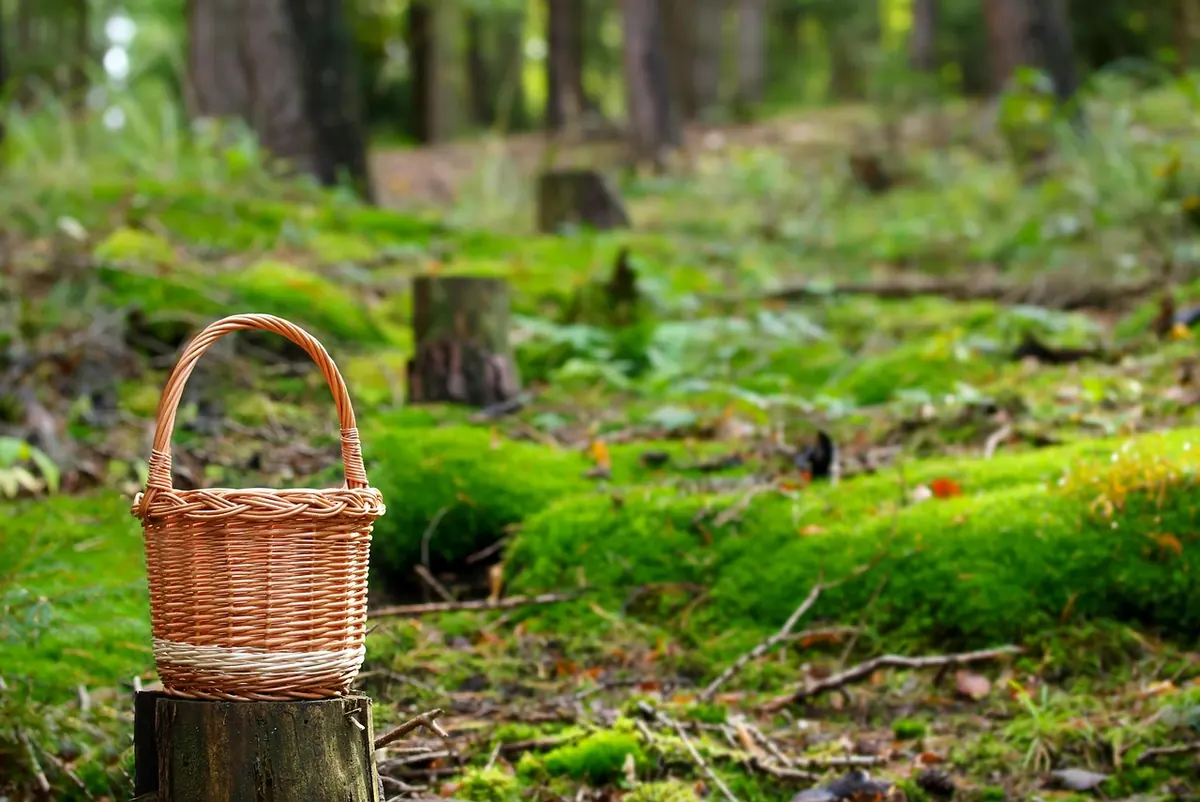
Mushrooms deserve a paragraph of caution. They are also the reason many Italian households own a well-thumbed field guide and a basket with gaps in the weave, so that spores fall back to the ground as you walk.
Never eat a mushroom you cannot identify with complete certainty. Learn from someone experienced, compare every specimen against more than one source, and use the free advisory services offered by local mycological inspectorates where they exist. When in doubt, leave it in the wood.
The rest of the season is gentler work. Rosehips and hawthorn berries for syrups and jellies, sloes after the first cold nights, juniper berries, and the red, knobbly fruit of the strawberry tree (corbezzolo) along the Mediterranean coast. Down on the ground, the bitter greens take over: radicchio, catalogna, wild chicory and dandelion roots for roasting. If you see nets being spread under olive trees, you are in the right week.
Picking With Care: The Unwritten Rules
Foraging is only sustainable if it stays unremarkable — if the person who walks the same path next week would not notice you were there. A few working principles:
- Ask first. Private land, including many olive groves and unfenced fields, requires the owner's permission. Ask at the nearest house; people are usually generous when asked politely.
- Check local rules. Protected areas, regional parks and nature reserves often prohibit collecting, and some regions regulate mushroom and truffle gathering with permits and quantity limits. Rules vary by region and commune, so check before you go rather than after.
- Take a third, leave two. Especially with fruit, nuts and anything with a root.
- Never uproot what you can cut or pick. A plant that regrows is worth more than one that doesn't.
- Wash everything and eat new foods in small amounts the first time; some wild plants are perfectly edible but disagree with some people.
- Leave no trace but footprints — no broken branches, no trampled beds, no gates left open.
A Practical Checklist Before You Go
A basket or cloth bag, a small knife, gardening gloves, paper bags for flowers and seeds, water, and a phone with an offline map — the paths you find by accident are rarely the ones that lead back to the car. Tell someone where you are going, especially in woodland. Wear long trousers and proper shoes, and check yourself for ticks when you get home.
Then start small. Choose one plant this season, learn it properly in three or four different places, and cook it the same week you pick it. Next spring you will recognise it from a moving car, and the year after that you will wonder how you ever walked past it.
Photo: katerinavulcova / Pixabay
How to Create a Pollinator-Friendly Wildflower Patch in a Country Garden
A practical guide to planning, preparing, sowing and tending a wildflower patch that feeds bees and...

Understanding Rural Waste and Recycling in Italy: A Practical Explainer
A practical guide to rural waste in Italy: how local collection works, what goes in each bin, using the...
About Us